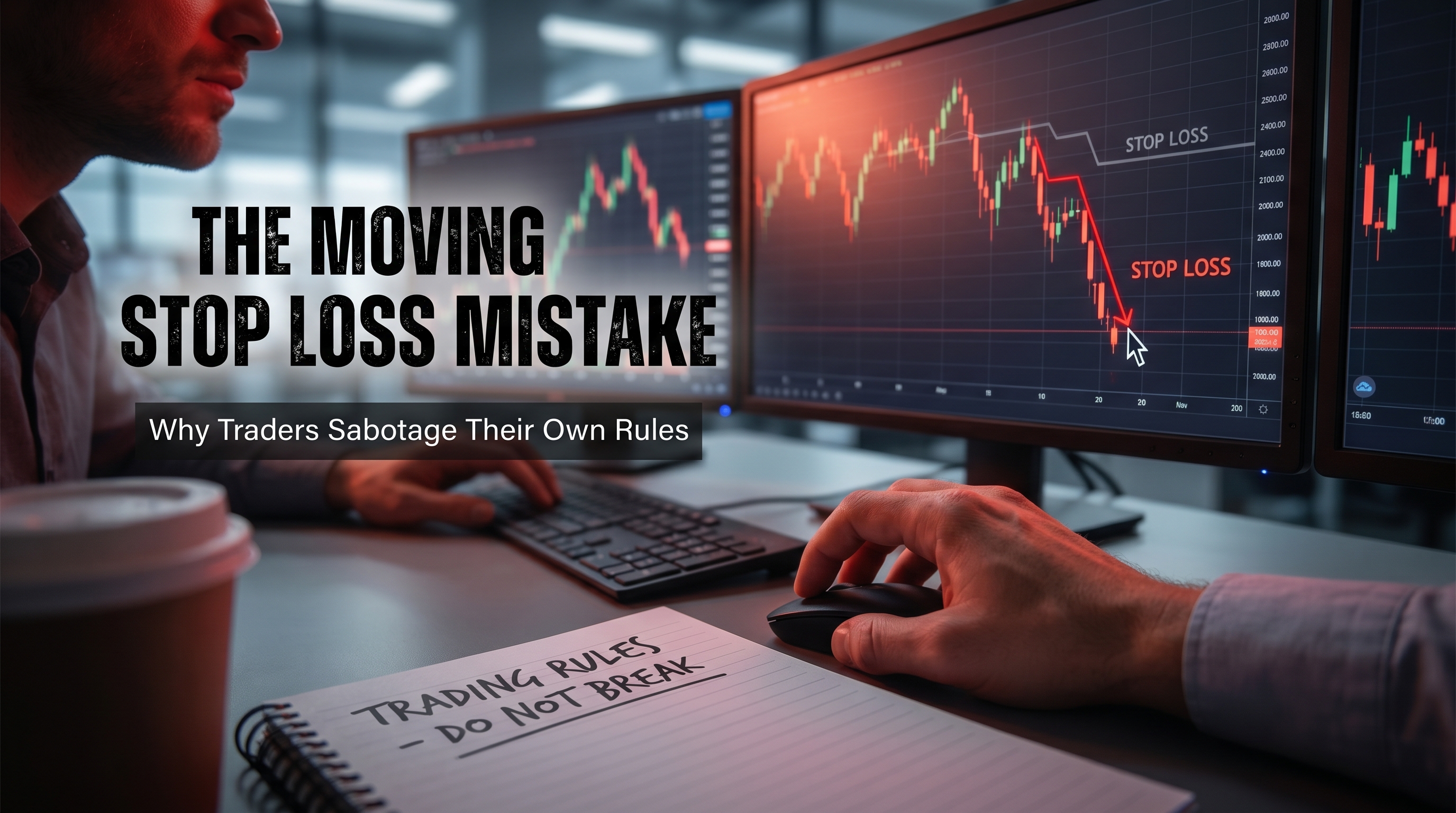
# The Moving Stop Loss Mistake: Why Traders Sabotage Their Own Rules
Every trader has been there – you've set a perfectly reasonable stop loss, the market moves against you, and suddenly that little voice in your head whispers, "Maybe if I move it just a little further, the trade will turn around." This seemingly innocent adjustment represents one of the most destructive habits in trading: the moving stop loss mistake.
This psychological trap has destroyed more trading accounts than any market crash or economic crisis. Yet it continues to plague traders at every level, from beginners to seasoned professionals. Understanding why this happens and developing strategies to prevent it is crucial for long-term trading success.
Table of Contents
- [The Psychology Behind Moving Stop Losses](#the-psychology-behind-moving-stop-losses)
- [The Real Cost of Stop Loss Manipulation](#the-real-cost-of-stop-loss-manipulation)
- [Common Scenarios That Trigger Stop Loss Moves](#common-scenarios-that-trigger-stop-loss-moves)
- [Proven Strategies to Maintain Stop Loss Discipline](#proven-strategies-to-maintain-stop-loss-discipline)
- [Building a Bulletproof Trading Plan](#building-a-bulletproof-trading-plan)
- [Recovery Strategies for Chronic Stop Loss Movers](#recovery-strategies-for-chronic-stop-loss-movers)
The Psychology Behind Moving Stop Losses
The tendency to move stop losses stems from deep-rooted psychological biases that affect all human decision-making. Understanding these mental patterns is the first step toward overcoming them.
Loss Aversion and the Pain of Being Wrong
Humans are naturally wired to avoid losses more intensely than they seek gains. When a trade moves against us, the psychological pain of realizing a loss becomes overwhelming. Moving the stop loss provides temporary relief from this discomfort, creating an illusion that we can avoid the loss entirely.
:::key-concept Loss aversion causes traders to feel the pain of a $100 loss approximately twice as intensely as the pleasure of a $100 gain. This asymmetry drives irrational decision-making in trading. :::
Hope and the Gambler's Fallacy
Many traders fall victim to the belief that after a series of adverse price movements, the market "owes" them a reversal. This hope-driven thinking leads to the dangerous practice of giving losing trades "just a little more room to work."
Fear of Missing Out on Recovery
The fear that the market will immediately reverse after hitting your stop loss creates a paralyzing indecision. Traders convince themselves that moving the stop loss "just this once" will capture the inevitable bounce back.
:::warning Every time you move a stop loss to avoid a loss, you're training your brain that discipline is optional. This creates a dangerous precedent that becomes harder to break with each violation. :::
Confirmation Bias in Action
Once a trade moves against us, we unconsciously seek information that supports our original thesis while ignoring contradictory evidence. This selective perception reinforces the decision to move stops rather than accept the original trade setup was wrong.
The Real Cost of Stop Loss Manipulation
The moving stop loss mistake creates a cascade of negative consequences that extend far beyond any single trade. Understanding these costs helps reinforce the importance of maintaining trading discipline.
Magnified Losses
The most obvious cost is financial. When you move a stop loss to avoid a small loss, you often end up with a much larger loss. What started as a manageable 1% account risk can balloon into a 3%, 5%, or even larger hit to your capital.
:::example A trader enters EUR/USD at 1.1000 with a 50-pip stop at 1.0950, risking $500 on a $50,000 account (1% risk). As price approaches the stop, they move it to 1.0900. The trade ultimately stops out at 1.0900, resulting in a $1,000 loss – double the intended risk. :::
Destroyed Trading Psychology
Each violation of your trading rules erodes confidence in your system and yourself. This psychological damage often proves more costly than the financial loss, leading to:
- Increased anxiety around placing new trades
- Second-guessing of valid setups
- Paralysis when quick decisions are required
- Loss of trust in proven strategies
Disrupted Risk Management
Moving stop losses destroys the mathematical foundation of your trading system. Risk management depends on consistent position sizing based on predetermined stop levels. When stops become fluid, position sizing becomes meaningless.
Opportunity Cost
Capital tied up in losing trades that should have been closed cannot be deployed in new opportunities. The moving stop loss mistake often means missing high-probability setups while hoping for miraculous reversals in poor trades.
Common Scenarios That Trigger Stop Loss Moves
Recognizing the situations that commonly trigger stop loss moves helps traders prepare mental defenses before emotions take control.
The "Close Miss" Scenario
Price approaches your stop loss, coming within a few pips before bouncing. The near-miss creates false confidence that your analysis was correct, leading to the temptation to widen the stop "just in case" it happens again.
:::tip Remember that professional traders and algorithms often target obvious stop levels. A near-miss followed by a bounce might be stop hunting, not validation of your analysis. :::
News Event Volatility
Unexpected news events can create wild price swings that trigger stops on otherwise valid setups. The natural reaction is to move the stop, believing the volatility is temporary and price will return to the expected path.
End of Day/Week Positioning
Market closes or weekend gaps can trigger stops on positions that show promise. Traders often move stops rather than accept weekend risk or close positions before market close.
Multiple Touch Rejection
When price repeatedly tests your stop level without breaking through, it creates a false sense that the level is "holding." This often leads to moving the stop closer to current price, believing the rejection confirms support.
Strong Fundamental Bias
When fundamental analysis strongly supports your position, technical stop losses can feel "wrong." The conviction in fundamental analysis can override technical discipline, leading to stop adjustments based on non-chart factors.
Proven Strategies to Maintain Stop Loss Discipline
Developing unbreakable stop loss discipline requires both psychological preparation and practical systems. Here are proven strategies that successful traders use to maintain their rules.
Pre-Market Commitment Rituals
Before each trading session, write down your trading rules and sign your name to them. This physical act of commitment creates psychological accountability that's harder to violate in the heat of the moment.
:::example "I commit to respecting all stop losses set according to my trading plan. I understand that moving stops violates my risk management and damages my long-term success. Signed: [Your Name], [Date]" :::
The "Stop and Reverse" Rule
Implement a rule that if you're tempted to move a stop loss, you must instead close the position immediately and consider taking a trade in the opposite direction. This eliminates the option of stop manipulation while potentially capitalizing on the change in market sentiment.
Automated Stop Loss Orders
Use your broker's automated stop loss orders rather than mental stops. Once set, don't allow yourself to modify them except to move them in your favor (trailing stops). Some traders even use separate accounts or give trading authority to partners to prevent emotional interference.
The "Cooling Off" Period
When tempted to move a stop, step away from the charts for at least 15 minutes. Often, the emotional urge to modify the stop will pass, allowing rational thinking to return.
Position Sizing Solutions
If you consistently feel your stops are too tight, the problem isn't the stop level – it's your position size. Reduce your position size until your predetermined stops feel comfortable, even when triggered.
:::key-concept Your stop loss should never feel like a "big" loss. If it does, your position size is too large for your risk tolerance and account size. :::
The "Loss Budget" Approach
Allocate a specific dollar amount or percentage of your account to "learning losses" each month. Once you accept that some losses are inevitable and budget for them, individual stop losses become less emotionally charged.
Building a Bulletproof Trading Plan
A comprehensive trading plan serves as your defense against emotional decision-making. The more detailed and specific your plan, the less room there is for subjective interpretation during stressful moments.
Define Entry and Exit Criteria Precisely
Vague rules like "buy on support" leave too much room for interpretation. Instead, use specific criteria:
- Exact price levels for entries
- Precise stop loss placement rules
- Clear profit target calculations
- Specific time frames for trade management
Include Contingency Plans
Anticipate common scenarios that trigger emotional responses and plan your reactions in advance:
- What to do if news events cause volatility
- How to handle gap opens
- Response to multiple stop level tests
- Actions for unexpected correlation breakdowns
:::warning A trading plan without specific contingencies is like a fire escape plan that only works when there's no fire. The real test comes during stressful situations. :::
Regular Plan Review and Updates
Schedule monthly reviews of your trading plan, but never modify it during active trades. Changes should only be made during calm periods based on objective performance analysis, not emotional reactions to recent losses.
Accountability Measures
Build accountability into your plan:
- Trade journaling requirements
- Regular performance reviews
- Consequences for rule violations
- Rewards for maintaining discipline
Recovery Strategies for Chronic Stop Loss Movers
If moving stop losses has become a persistent problem, specific recovery strategies can help break the cycle and rebuild trading discipline.
The "Demo Reset" Protocol
Return to demo trading for 30 days, focusing exclusively on following your stop loss rules. Don't progress to live trading until you can complete 20 consecutive trades without moving a single stop loss.
Micro Position Recovery
Reduce your position sizes to amounts so small that stop losses feel insignificant. Gradually increase size only after proving consistent discipline at smaller amounts.
:::tip Start with position sizes that make your maximum stop loss equal to what you'd spend on lunch. Once you can consistently respect stops at this level, slowly increase your risk. :::
The "Partner System"
Trade with a partner who has permission to close your positions if you attempt to move stops. This external accountability removes the option of emotional interference entirely.
Professional Coaching
Consider working with a trading coach who specializes in behavioral issues. Professional guidance can identify personal triggers and develop customized solutions for your specific psychological patterns.
Gradual Exposure Therapy
Systematically expose yourself to small, controlled losses to desensitize the emotional response. Start with very small positions and gradually increase as your comfort with losses improves.
Conclusion
The moving stop loss mistake represents one of the most common yet destructive behaviors in trading. It stems from natural human psychology but can be overcome through understanding, preparation, and systematic discipline development.
Success in trading isn't about being right on every trade – it's about managing risk consistently and letting your edge play out over many trades. Every time you move a stop loss to avoid a loss, you're sabotaging this process and undermining your long-term success.
The strategies outlined in this guide provide a comprehensive framework for developing unbreakable stop loss discipline. Start by implementing the psychological preparation techniques, build a detailed trading plan with specific rules, and use the accountability measures that resonate with your personality.
Remember that changing ingrained behaviors takes time and repeated practice. Be patient with yourself while maintaining unwavering commitment to your rules. The temporary discomfort of taking planned losses is far less painful than the long-term consequences of destroying your account through poor discipline.
Ready to master your stop loss discipline? Start by analyzing your last 20 trades and identify which ones involved moving your original stop loss. Use this data to recognize your personal triggers and begin implementing the strategies that address your specific patterns. Your future trading success depends on the discipline you build today.
Building Long-Term Success Through Discipline
The journey from emotional trading to disciplined execution is a process that requires consistent effort and self-awareness. Here's how to ensure your progress continues beyond the initial implementation phase.
Creating a Performance Review System
Establish a weekly review process where you examine every trade for stop loss adherence. Track not just whether you moved stops, but the emotions and circumstances that led to those decisions.
:::example Create a simple spreadsheet with columns for: Trade Date, Original Stop, Final Stop, Reason for Change, Emotional State, and Lessons Learned. This data becomes invaluable for identifying patterns. :::
The Power of Visualization
Before each trading session, spend 5 minutes visualizing yourself taking a stop loss with complete composure. Mental rehearsal strengthens your ability to execute under pressure.
Visualize the specific moment your stop is hit – see yourself closing the position immediately, taking a breath, and moving on to the next opportunity. This mental preparation reduces the shock when losses occur.
Managing Revenge Trading Impulses
Moving stop losses often leads to larger losses, which trigger revenge trading – another destructive behavior. Recognize that these behaviors are connected and address both simultaneously.
:::warning If you've moved a stop and taken a larger loss than planned, never immediately enter a new position. Take a mandatory break to reset your emotional state. :::
Building Confidence Through Small Wins
Focus on executing perfect stop loss discipline rather than profitable trades. Celebrate each time you honor your stop, regardless of whether the market reverses in your favor afterward.
This mindset shift helps you find satisfaction in the process rather than just outcomes, making it easier to maintain discipline during inevitable losing streaks.
Advanced Techniques for Persistent Violators
If you've tried basic strategies without success, these advanced approaches can break even the most stubborn patterns.
The Nuclear Option: Automated Execution
For traders who cannot overcome the impulse manually, consider using automated trading platforms that execute stops without human intervention. This removes the psychological element entirely.
Position Size Penalties
Implement a personal rule where moving a stop loss results in reducing your next position size by 50%. This creates immediate consequences for violations.
The Transparency Method
Share your trading activity publicly through social media or trading forums. The social pressure of public accountability can be incredibly motivating for maintaining discipline.
:::key-concept Remember: The goal isn't to eliminate losses – it's to take them according to your plan. A trader who never moves stop losses will sometimes watch winning trades become losers, but they'll also preserve capital and maintain the mathematical edge that creates long-term profitability. :::
Final Thoughts and Implementation
Stop loss discipline isn't just a trading skill – it's a life skill that builds character and emotional resilience. The same principles that help you honor stops will improve your ability to stick to budgets, exercise routines, and other important commitments.
Start small and be consistent. Choose one or two strategies from this guide that resonate with you and implement them completely before adding others. Partial implementation often leads to continued failure and discouragement.
Most importantly, understand that developing this discipline is not about perfection from day one. Every trader has moved stops early in their career. What separates successful traders is their commitment to learning from these mistakes and building systems to prevent repetition.
:::tip Your first goal should be to go one full week without moving a single stop loss. Once you achieve this, extend it to one month. These milestone achievements build the confidence and habit patterns necessary for long-term success. :::
The market will always provide new opportunities, but capital preservation through disciplined risk management is what allows you to participate in those opportunities. Master your stop loss discipline, and you'll have taken the most important step toward consistent trading profitability.
Begin today by setting your stops before you enter your next trade, and commit to honoring them no matter what the market does afterward. Your future self will thank you for the discipline you build right now.
Tracking Your Progress
To ensure you're truly developing stop loss discipline, implement a systematic tracking approach that goes beyond simple profit and loss statements.
The Stop Loss Journal
Create a dedicated journal with the following entries for each trade:
- Initial stop level and reasoning
- Times you felt tempted to move the stop
- What triggered those temptations
- Whether you moved it (and why)
- Final outcome of the trade
This detailed record reveals patterns in your behavior and helps identify specific market conditions or emotions that trigger poor decisions.
Weekly Discipline Scores
Rate yourself weekly on a scale of 1-10 for stop loss discipline. A score of 10 means you never moved a stop, while lower scores reflect the frequency and severity of violations. Track these scores over time to visualize your improvement.
The Cost Calculator
Maintain a running tally of how much moving stops has cost you over time. Include both direct losses from expanded losing trades and opportunity costs from reduced position sizes due to blown accounts. This stark financial reality often provides the motivation needed for lasting change.
:::example A trader who moves stops on 30% of their trades and extends losses by an average of 2R (risk units) is essentially adding a 0.6R penalty to every trade they take. Over 100 trades, this equals 60R in additional losses – often enough to devastate an otherwise profitable strategy. :::
Advanced Psychological Techniques
Visualization Exercises
Spend 10 minutes daily visualizing yourself honoring stop losses in challenging scenarios. Mental rehearsal builds neural pathways that make disciplined behavior more automatic during actual trading.
The Future Self Technique
Before moving a stop, imagine explaining this decision to yourself one year from now. Would your future self – wiser and more experienced – approve of this action? This temporal perspective often provides clarity that present emotions obscure.
Emotional Labeling
When you feel the urge to move a stop, pause and precisely label the emotion you're experiencing: "I'm feeling desperate," "I'm experiencing greed," or "I'm being stubborn." This simple act of labeling creates psychological distance from the emotion and reduces its power over your decisions.
Building Long-Term Success Habits
The 21-Day Challenge
Commit to 21 consecutive days of perfect stop loss discipline. If you move a stop on day 15, restart from day 1. This approach builds the habit loop necessary for automatic disciplined behavior.
Mentor Accountability
Find an experienced trader willing to serve as your accountability partner. Report your daily stop loss decisions to them. Knowing you'll have to explain any violations to someone you respect creates powerful behavioral incentives.
Celebrating Small Wins
Acknowledge every instance where you honor a stop loss, especially when it feels difficult. These positive reinforcements strengthen the neural pathways associated with disciplined trading.
:::warning Avoid celebrating only profitable trades where you honored stops. The trades where you take proper losses according to plan are equally important victories and deserve recognition. :::
Common Relapse Patterns and Prevention
Even after developing strong stop loss discipline, certain situations can trigger relapses. Being aware of these patterns helps prevent backsliding.
The Overconfidence Trap
After a series of successful trades, traders often become overconfident and start taking "calculated risks" with their stops. Combat this by maintaining the same discipline during winning streaks as during losing periods.
The Revenge Trading Spiral
Following a large loss, the emotional urge for revenge can overwhelm previous discipline. Implement a mandatory cooling-off period after any loss exceeding 2-3% of your account.
The Perfect Setup Delusion
When a trade looks "too good to fail," the temptation to give it extra room becomes overwhelming. Remember that the market doesn't care how perfect your analysis appears – honor your predetermined risk limits regardless.
Conclusion
Stop loss discipline forms the cornerstone of professional trading, separating those who survive and thrive from those who eventually blow up their accounts. The strategies outlined in this guide – from mental frameworks and position sizing rules to automated execution and accountability systems – provide a comprehensive toolkit for developing unshakeable discipline.
The journey from impulsive stop moving to disciplined risk management isn't easy, but it's absolutely essential for long-term trading success. Every successful professional trader has walked this path, facing the same temptations and internal battles you're experiencing now.
Remember these key principles as you develop your discipline:
- Stop losses are insurance policies, not suggestions
- Your predetermined plan is superior to your in-the-moment emotions
- Capital preservation enables future opportunities
- Consistency in small decisions creates massive long-term results
:::key-concept The market will always provide new trading opportunities, but only disciplined traders with preserved capital can take advantage of them. Your stop loss discipline is your ticket to long-term participation in the markets. :::
Start implementing these strategies immediately. Choose the techniques that resonate most strongly with your personality and trading style, then commit to them completely. Track your progress, celebrate your victories, and learn from any setbacks.
Your trading career depends on the discipline you build today. Set your stops, honor them without exception, and watch your consistency and profitability transform over time. The market rewards those who respect its power – and stop loss discipline is how you show that respect.